Atlas of Ancient History › People › The Hellenistic world
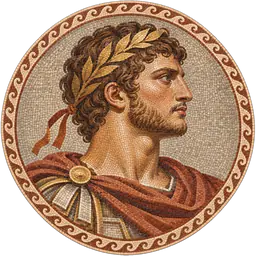
Flamininus
Titus Quinctius Flamininus sought the consulship while still young, passing over the usual lower offices, and the tribunes objected that he was forcing his way into the highest office against custom.1 He defeated Philip V at Cynoscephalae, and Alcaeus of Messene wrote that the Latins 'whom Titus led from Italy' had broken Philip's bold spirit, an epigram that annoyed Titus more than Philip.2 At the Isthmian games the herald proclaimed in the name of the senate and of Titus that the Greeks Philip had ruled were free, without garrisons or tribute, under their own laws.3 Later, sent as envoy to Prusias of Bithynia, he would not let the old Hannibal live, and many senators thought it cruel, done only to win fame.4
Events
Ties
What the sources say
“and the herald, coming forward into the midst of the spectators, made proclamation that the Roman senate and Titus Quintius Flamininus proconsular general, having conquered King Philip and the Macedonians, restored to freedom, without garrisons and without imposts, and to the enjoyment of their ancient laws, the Corinthians, the Locrians, the Phocians, the Euboeans, the Achaeans of Phthiotis, the Magnesians, the Thessalians, and the Perrhaebians”
προελθὼν εἰς μέσον ὁ κῆρυξ ἀνεῖπεν ὅτι Ῥωμαίων ἡ σύγκλητος καὶ Τίτος Κοΐντιος στρατηγὸς ὕπατος καταπολεμήσαντες βασιλέα Φίλιππον καὶ Μακεδόνας, ἀφιᾶσιν ἀφρουρήτους καὶ ἐλευθέρους καὶ ἀφορολογήτους, νόμοις χρωμένους τοῖς πατρίοις, Κορινθίους, Λοκρούς, Φωκεῖς, Εὐβοέας, Ἀχαιοὺς Φθιώτας, Μάγνητας, Θετταλούς, Περραιβούς
Plutarch, Titus Flamininus 10.4 · tr. Bernadotte Perrin
“Unwept and without graves are we, O traveller, who on this ridge of Thessaly lie dead, in number thirty thousand, subdued by the sword of the Aetolians, and of the Latins whom Titus led from spacious Italy, Emathia’s great bane. And the bold spirit that Philip had displayed was gone; it showed itself more agile than swift deer”
Ἄκλαυστοι καὶ ἄθαπτοι, ὁδοιπόρε, τῷδʼ ἐπὶ νώτῳ Θεσσαλίης τρισσαὶ κείμεθα μυριάδες, Αἰτωλῶν δμηθέντες ὑπʼ Ἄρεος ἠδὲ Λατίνων, οὓς Τίτος εὐρείης ἤγαγʼ ἀπʼ Ἰταλίης, Ἠμαθίῃ μέγα πῆμα. τὸ δὲ θρασὺ κεῖνο Φιλίππου πνεῦμα θοῶν ἐλάφων ᾤχετʼ ἐλαφρότερον
Plutarch, Titus Flamininus 9.2 · tr. Bernadotte Perrin
An epigram by Alcaeus of Messene on the battle of Cynoscephalae, 197 BC, quoted by Plutarch, about AD 100.
“Such are the accounts of the death of Hannibal. When the story of it was brought to the senate, many of them thought the conduct of Titus odious, officious, and cruel; for he had killed Hannibal when he was like a bird permitted to live a tame and harmless life because too old to fly and without a tail, and there had been no necessity for his doing this, but he did it to win fame, that his name might be associated with the death of Hannibal”
οὕτω μὲν τὸν Ἀννίβαν ἀποθανεῖν λέγουσιν. ἀπαγγελθέντων δὲ τούτων πρὸς τὴν σύγκλητον, οὐκ ὀλίγοις ἐπαχθὴς ἔδοξεν ὁ Τίτος καί περιττὸς ἄγαν καί ὠμός, ὥσπερ ὄρνιν ὑπὸ γήρως ἀπτῆνα καί κόλουρον ἀφειμένον ζῆν χειροήθη τὸν Ἀννίβαν ἀποκτείνας, οὐδενὸς ἐπείγοντος, ἀλλὰ διὰ δόξαν, ὡς ἐπώνυμος τοῦ θανάτου γένοιτο
Plutarch, Titus Flamininus 21.1 · tr. Bernadotte Perrin
First named
The earliest text in the library that names Flamininus, written about 197 BC (a modern estimate of when it was written):
“Unwept and without graves are we, O traveller, who on this ridge of Thessaly lie dead, in number thirty thousand, subdued by the sword of the Aetolians, and of the Latins whom Titus led from spacious Italy, Emathia’s great bane. And the bold spirit that Philip had displayed was gone; it showed itself more agile than swift deer”
Ἄκλαυστοι καὶ ἄθαπτοι, ὁδοιπόρε, τῷδʼ ἐπὶ νώτῳ Θεσσαλίης τρισσαὶ κείμεθα μυριάδες, Αἰτωλῶν δμηθέντες ὑπʼ Ἄρεος ἠδὲ Λατίνων, οὓς Τίτος εὐρείης ἤγαγʼ ἀπʼ Ἰταλίης, Ἠμαθίῃ μέγα πῆμα. τὸ δὲ θρασὺ κεῖνο Φιλίππου πνεῦμα θοῶν ἐλάφων ᾤχετʼ ἐλαφρότερον
Plutarch, Titus Flamininus 9.2 · tr. Bernadotte Perrin
An epigram by Alcaeus of Messene on the battle of Cynoscephalae, 197 BC, quoted by Plutarch, about AD 100.
Found by searching every text in the library for these spellings and reading the earliest hits to rule out namesakes: Τίτος, Τίτος Κοΐντιος, Flamininus, Titus Quinctius Flamininus, Titus. Texts lost, or not in the library, may name Flamininus earlier.
The passages behind each sentence
- Plutarch, Titus Flamininus 2.1 (tr. Bernadotte Perrin); Plutarch, Titus Flamininus 2.1 (tr. Bernadotte Perrin) ↩
- Plutarch, Titus Flamininus 9.2 (tr. Bernadotte Perrin); Plutarch, Titus Flamininus 9.3 (tr. Bernadotte Perrin) ↩
- Plutarch, Titus Flamininus 10.3 (tr. Bernadotte Perrin); Plutarch, Titus Flamininus 10.4 (tr. Bernadotte Perrin) ↩
- Plutarch, Titus Flamininus 20.3 (tr. Bernadotte Perrin); Plutarch, Titus Flamininus 21.1 (tr. Bernadotte Perrin) ↩
Cite this page
MLA “Flamininus.” Atlas of Ancient History, Skirnir Studios, 2026, history.skirnirstudios.com/people/flamininus/.
APA Skirnir Studios. (2026). Flamininus. Atlas of Ancient History. https://history.skirnirstudios.com/people/flamininus/
Chicago “Flamininus.” Atlas of Ancient History. Skirnir Studios, 2026. https://history.skirnirstudios.com/people/flamininus/.
The atlas was written by AI from the ancient sources. Where you can, cite the ancient passage itself by its reference (Herodotus 7.228, Livy 22.7.3) and name the translation you read.