Atlas of Ancient History › People › The Athenian age
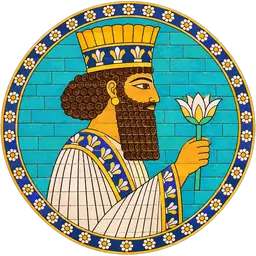
Artaxerxes I
Artaxerxes was a son of Xerxes and king of Persia after him; Plutarch says he was called Long-hand because his right hand was longer than his left.1 Diodorus says that when Artabanus murdered Xerxes, he told Artaxerxes that his brother Darius was the killer; Artaxerxes killed Darius, then killed Artabanus when Artabanus struck at him, and took the throne.2 Thucydides says Themistocles wrote to him when he had just come to the throne, and that the king gave Themistocles Magnesia, Lampsacus and Myus.3 In his reign Inaros led most of Egypt in revolt from him and called in the Athenians; the king first sent money to Sparta to bring the Spartans into the war, then Megabyzus son of Zopyrus with a large army.4 Diodorus says that after defeats in Cyprus he decided to make peace with the Greeks, and that Athenian envoys led by Callias son of Hipponicus agreed the terms.5 Thucydides says he died in the winter of the war's seventh year; Diodorus gives him a reign of forty years.6
Open Artaxerxes I in the atlas
Events
Ties
- Xerxes I father of Artaxerxes I Plutarch, Artaxerxes 1.1
- father of Darius II Thucydides 8.5.4
- Themistocles took refuge with Artaxerxes I Thucydides 1.137.3
- Inaros rebelled against Artaxerxes I Thucydides 1.104.1
- Megabyzus general of Artaxerxes I Diodorus 11.74.6
- Callias son of Hipponicus envoy to Artaxerxes I Herodotus 7.151.1
What the sources say
“Themistocles started inland with one of the Coast-Persians, and sent a letter to King Artaxerxes, Xerxes' son, who had just come to the throne”
μετὰ τῶν κάτω Περσῶν τινὸς πορευθεὶς ἄνω ἐσπέμπει γράμματα πρὸς βασιλέα Ἀρταξέρξην τὸν Ξέρξου νεωστὶ βασιλεύοντα
Thucydides 1.137.3 · tr. Richard Crawley
“the Argives also had at this same time sent envoys to Susa, asking of Xerxes' son Artoxerxes whether the friendship which they had forged with Xerxes still held good, as they desired, or whether he considered them as his enemies. Artoxerxes responded to this that it did indeed hold good and that he believed no city to be a better friend to him than Argos”
Ἀργείους δὲ τὸν αὐτὸν τοῦτον χρόνον πέμψαντας καὶ τούτους ἐς Σοῦσα ἀγγέλους εἰρωτᾶν Ἀρτοξέρξεα τὸν Ξέρξεω εἴ σφι ἔτι ἐμμένει ἐθέλουσι τὴν πρὸς Ξέρξην φιλίην συνεκεράσαντο, ἢ νομιζοίατο πρὸς αὐτοῦ εἶναι πολέμιοι· βασιλέα δὲ Ἀρτοξέρξεα μάλιστα ἐμμένειν φάναι, καὶ οὐδεμίαν νομίζειν πόλιν Ἄργεος φιλιωτέρην
Herodotus 7.151.1 · tr. A. D. Godley
“The first Artaxerxes, preeminent among the kings of Persia for gentleness and magnanimity, was surnamed Longimanus, because his right hand was longer than his left, and was the son of Xerxes”
ὁ μὲν πρῶτος Ἀρτοξέρξης, τῶν ἐν Πέρσαις βασιλέων πραότητι καὶ μεγαλοψυχίᾳ πρωτεύσας, Μακρόχειρ ἐπεκαλεῖτο τὴν δεξιὰν μείζονα τῆς ἑτέρας ἔχων, Ξέρξου δὲ ἦν υἱός
Plutarch, Artaxerxes 1.1 · tr. Bernadotte Perrin
“The Athenians afterwards sent back Artaphernes in a galley to Ephesus, and ambassadors with him, who heard there of the death of King Artaxerxes, son of Xerxes, which took place about that time, and so returned home.”
τὸν δὲ Ἀρταφέρνην ὕστερον οἱ Ἀθηναῖοι ἀποστέλλουσι τριήρει ἐς Ἔφεσον καὶ πρέσβεις ἅμα· οἳ πυθόμενοι αὐτόθι βασιλέα Ἀρταξέρξην τὸν Ξέρξου νεωστὶ τεθνηκότα (κατὰ γὰρ τοῦτον τὸν χρόνον ἐτελεύτησεν) ἐπ’ οἴκου ἀνεχώρησαν.
Thucydides 4.50.3 · tr. Richard Crawley
First named
The earliest text in the library that names Artaxerxes I, written about 430 BC (a modern estimate of when it was written):
“For in three generations, that is, in the time of Darius son of Hystaspes and Xerxes son of Darius and Artaxerxes son of Xerxes, more ills happened to Hellas than in twenty generations before Darius”
ἐπὶ γὰρ Δαρείου τοῦ Ὑστάσπεος καὶ Ξέρξεω τοῦ Δαρείου καὶ Ἀρτοξέρξεω τοῦ Ξέρξεω, τριῶν τουτέων ἐπεξῆς γενεέων, ἐγένετο πλέω κακὰ τῇ Ἑλλάδι ἢ ἐπὶ εἴκοσι ἄλλας γενεὰς τὰς πρὸ Δαρείου γενομένας
Herodotus 6.98.2 · tr. A. D. Godley
Found by searching every text in the library for these spellings and reading the earliest hits to rule out namesakes: Ἀρταξέρξης, Ἀρτοξέρξης, Μακρόχειρ, Artaxerxes, Artoxerxes, Macrochir, Longimanus. Texts lost, or not in the library, may name Artaxerxes I earlier.
The passages behind each sentence
- Plutarch, Artaxerxes 1.1 (tr. Bernadotte Perrin); Thucydides 1.137.3 (tr. Richard Crawley) ↩
- Diodorus 11.69.3 (AI translation (Claude)); Diodorus 11.69.5 (AI translation (Claude)); Diodorus 11.69.6 (AI translation (Claude)) ↩
- Thucydides 1.137.3 (tr. Richard Crawley); Thucydides 1.138.5 (tr. Richard Crawley) ↩
- Thucydides 1.104.1 (tr. Richard Crawley); Diodorus 11.74.5 (AI translation (Claude)); Thucydides 1.109.3 (tr. Richard Crawley) ↩
- Diodorus 12.4.4 (AI translation (Claude)); Diodorus 12.4.5 (AI translation (Claude)) ↩
- Thucydides 4.50.3 (tr. Richard Crawley); Thucydides 4.51.1 (tr. Richard Crawley); Diodorus 12.64.1 (AI translation (Claude)) ↩
Cite this page
MLA “Artaxerxes I.” Atlas of Ancient History, Skirnir Studios, 2026, history.skirnirstudios.com/people/artaxerxes-i/.
APA Skirnir Studios. (2026). Artaxerxes I. Atlas of Ancient History. https://history.skirnirstudios.com/people/artaxerxes-i/
Chicago “Artaxerxes I.” Atlas of Ancient History. Skirnir Studios, 2026. https://history.skirnirstudios.com/people/artaxerxes-i/.
The atlas was written by AI from the ancient sources. Where you can, cite the ancient passage itself by its reference (Herodotus 7.228, Livy 22.7.3) and name the translation you read.