Atlas of Ancient History › People › The fourth century
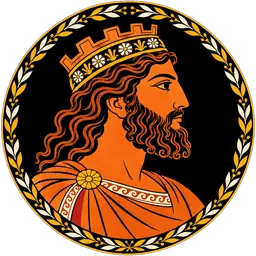
Mausolus
Mausolus ruled Caria for twenty-four years, Diodorus says, and his sister Artemisia was also his wife.1 Xenophon says that when he was besieging Assos and Sestos with a hundred ships, Agesilaus talked him into sailing home, and that he gave money to Sparta for the sake of his old friendship with Agesilaus.2 In the Social War Diodorus counts him among the allies who came to the help of Chios against Athens, and Demosthenes blamed him for stirring up the revolt and then robbing Rhodes of its freedom while calling himself its friend.3 His tomb at Halicarnassus, which Artemisia built, was counted among the seven wonders of the world.4
Events
Ties
- brother and husband of Artemisia II Diodorus 16.36.2
- guest-friend of Agesilaus Xenophon, Agesilaus 2.27
What the sources say
“Again, Mausolus, laying siege to both these places with a fleet of a hundred vessels, was induced, not indeed by fear, but by persuasion, to sail for home. In this affair too his success was admirable; for those who considered that they were under an obligation to him and those who fled before him, both paid. Yet again, Tachos and Mausolus (another of those who contributed money to Sparta, owing to his old ties of hospitality with Agesilaus), sent him home with a magnificent escort.”
κἀνταῦθα οὖν ἄξια θαύματος διεπράξατο· οἵ τε γὰρ εὖ πεπονθέναι νομίζοντες ὑπʼ αὐτοῦ καὶ οἱ φεύγοντες αὐτὸν χρήματα ἀμφότεροι ἔδοσαν. Ταχώς γε μὴν καὶ Μαύσωλος, διὰ τὴν πρόσθεν Ἀγησιλάου ξενίαν συμβαλόμενος καὶ οὗτος χρήματα τῇ Λακεδαίμονι, ἀπέπεμψαν αὐτὸν οἴκαδε προπομπὴν δόντες μεγαλοπρεπῆ.
Xenophon, Agesilaus 2.27 · tr. Edgar Carew Marchant
“No one has come forward to dissuade Mausolus when he was alive, or Artemisia since his death, from seizing Cos and Rhodes and various other Greek states, which the King, their overlord, ceded by treaty to the Greeks, and for which the Greeks of those days faced many dangers and won much honor in the field. At any rate, if there is anyone to give advice to either of these powers, there are none, it seems, to profit by his advice.”
οὐδὲ Μαύσωλον ζῶντα, οὐδὲ τελευτήσαντος ἐκείνου τὴν Ἀρτεμισίαν οὐδείς ἐσθʼ ὁ διδάξων μὴ καταλαμβάνειν Κῶν καὶ Ῥόδον καὶ ἄλλας ἑτέρας πόλεις Ἑλληνίδας, ὧν βασιλεὺς ὁ ʼκείνων δεσπότης ἐν ταῖς συνθήκαις ἀπέστη τοῖς Ἕλλησι, καὶ περὶ ὧν πολλοὺς κινδύνους καὶ καλοὺς ἀγῶνας οἱ κατʼ ἐκείνους τοὺς χρόνους Ἕλληνες ἐποιήσαντο. εἰ δʼ ἄρα καὶ λέγει τις ἀμφοτέροις αὐτοῖς, ἀλλʼ οἵ γε πεισόμενοι τούτοις, ὡς ἔοικεν, οὐκ εἰσίν.
Demosthenes, For the Liberty of the Rhodians 27 · tr. James Herbert Vince
“Then follows Halicarnasus, formerly called Zephyra, the royal seat of the dynasts of Caria. Here is the sepulchre of Mausolus, one of the seven wonders of the world; Artemisia erected it, in honour of her husband”
εἶθʼ Ἁλικαρνασός, τὸ βασίλειον τῶν τῆς Καρίας δυναστῶν, Ζεφυρία καλουμένη πρότερον. ἐνταῦθα δʼ ἐστὶν ὅ τε τοῦ Μαυσώλου τάφος, ἓν τῶν ἑπτὰ θεαμάτων, ἔργον, ὅπερ Ἀρτεμισία τῷ ἀνδρὶ κατεσκεύασε
Strabo 14.2.16 · tr. Hans Claude Hamilton
First named
The earliest text in the library that names Mausolus, written about 360 BC (a modern estimate of when it was written):
“Yet again, Tachos and Mausolus (another of those who contributed money to Sparta”
Ταχώς γε μὴν καὶ Μαύσωλος, διὰ τὴν πρόσθεν Ἀγησιλάου ξενίαν συμβαλόμενος καὶ οὗτος χρήματα τῇ Λακεδαίμονι
Xenophon, Agesilaus 2.27 · tr. Edgar Carew Marchant
Found by searching every text in the library for these spellings and reading the earliest hits to rule out namesakes: Μαύσωλος, Mausolus. Texts lost, or not in the library, may name Mausolus earlier.
The passages behind each sentence
- Diodorus 16.36.2 (AI translation (Claude)) ↩
- Xenophon, Agesilaus 2.26 (tr. Edgar Carew Marchant); Xenophon, Agesilaus 2.27 (tr. Edgar Carew Marchant) ↩
- Diodorus 16.7.3 (AI translation (Claude)); Demosthenes, For the Liberty of the Rhodians 3 (tr. James Herbert Vince) ↩
- Strabo 14.2.16 (tr. Hans Claude Hamilton) ↩
Cite this page
MLA “Mausolus.” Atlas of Ancient History, Skirnir Studios, 2026, history.skirnirstudios.com/people/mausolus/.
APA Skirnir Studios. (2026). Mausolus. Atlas of Ancient History. https://history.skirnirstudios.com/people/mausolus/
Chicago “Mausolus.” Atlas of Ancient History. Skirnir Studios, 2026. https://history.skirnirstudios.com/people/mausolus/.
The atlas was written by AI from the ancient sources. Where you can, cite the ancient passage itself by its reference (Herodotus 7.228, Livy 22.7.3) and name the translation you read.