Atlas of Ancient History › People › The fourth century
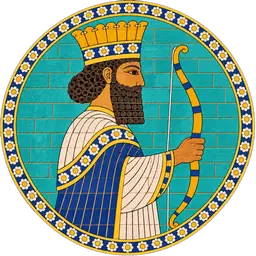
Artaxerxes II
Artaxerxes was the eldest son of Darius and Parysatis and became king when his father died; Plutarch says he was first called Arsicas and was later surnamed Mnemon, the Mindful.1 Tissaphernes told him that his brother Cyrus was plotting against him, and he arrested Cyrus, but their mother begged for his life and sent him back to his province.2 When Cyrus marched against him, the two met at Cunaxa, where Cyrus charged the king, wounded him through his breastplate and was killed.3 In the peace that bears his name he declared that the Greek cities of Asia, with Clazomenae and Cyprus, were his, and threatened war on any who refused it.4 Plutarch says he lived ninety-four years and reigned sixty-two, but Diodorus gives him a reign of forty-three years and says his son Ochus succeeded him under the name Artaxerxes.5
Open Artaxerxes II in the atlas
Events
Ties
- Cyrus the Younger brother of Artaxerxes II Xenophon, Anabasis 1.1.1
- Cyrus the Younger plotted against Artaxerxes II Xenophon, Anabasis 1.1.4
- father of Artaxerxes III Plutarch, Artaxerxes 30.5
- Datames served in the guard of Artaxerxes II Nepos, Datames 1.1
What the sources say
“Darius and Parysatis had two sons born to them, of whom the elder was Artaxerxes and the younger Cyrus. Now when Darius lay sick and suspected that the end of his life was near, he wished to have both his sons with him.”
Δαρείου καὶ Παρυσάτιδος γίγνονται παῖδες δύο, πρεσβύτερος μὲν Ἀρταξέρξης, νεώτερος δὲ Κῦρος· ἐπεὶ δὲ ἠσθένει Δαρεῖος καὶ ὑπώπτευε τελευτὴν τοῦ βίου, ἐβούλετο τὼ παῖδε ἀμφοτέρω παρεῖναι.
Xenophon, Anabasis 1.1.1 · tr. Carleton L. Brownson
“King Artaxerxes thinks it just that the cities in Asia should belong to him, as well as Clazomenae and Cyprus among the islands, and that the other Greek cities, both small and great, should be left independent, except Lemnos, Imbros, and Scyros; and these should belong, as of old, to the Athenians. But whichever of the two parties does not accept this peace, upon them I will make war, in company with those who desire this arrangement, both by land and by sea, with ships and with money.”
Ἀρταξέρξης βασιλεὺς νομίζει δίκαιον τὰς μὲν ἐν τῇ Ἀσίᾳ πόλεις ἑαυτοῦ εἶναι καὶ τῶν νήσων Κλαζομενὰς καὶ Κύπρον, τὰς δὲ ἄλλας Ἑλληνίδας πόλεις καὶ μικρὰς καὶ μεγάλας αὐτονόμους ἀφεῖναι πλὴν Λήμνου καὶ Ἴμβρου καὶ Σκύρου· ταύτας δὲ ὥσπερ τὸ ἀρχαῖον εἶναι Ἀθηναίων. ὁπότεροι δὲ ταύτην τὴν εἰρήνην μὴ δέχονται, τούτοις ἐγὼ πολεμήσω μετὰ τῶν ταῦτα βουλομένων καὶ πεζῇ καὶ κατὰ θάλατταν καὶ ναυσὶ καὶ χρήμασιν.
Xenophon, Hellenica 5.1.31 · tr. Carleton L. Brownson
“Now Artaxerxes, by reason of his age, was already hovering between life and death; and when the sad fate of Arsames came to his ears, he could not hold out even a little while, but straightway expired of grief and despair. He had lived ninety-four years, and had been king sixty-two, and had the reputation of being gentle and fond of his subjects; though this was chiefly due to his son Ochus, who surpassed all men in cruelty and bloodguiltiness.”
ἦν μὲν οὖν ἐπὶ ῥοπῆς μικρᾶς ὁ Ἀρτοξέρξης διὰ τὸ γῆρας ἤδη τότε· προσπεσόντος δὲ αὐτῷ τοῦ περὶ τὸν Ἀρσάμην πάθους οὐδὲ ὀλίγον ἀντέσχεν, ἀλλʼ εὐθὺς ὑπὸ λύπης καὶ δυσθυμίας ἀπεσβέσθη, βιώσας μὲν ἐνενήκοντα καὶ τέσσαρα ἔτη, βασιλεύσας δὲ δύο καὶ ἑξήκοντα, δόξας δὲ πρᾶος εἶναι καὶ φιλυπήκοος οὐχ ἥκιστα διὰ τὸν υἱὸν Ὦχον ὠμότητι καὶ μιαιφονίᾳ πάντας ὑπερβαλόμενον.
Plutarch, Artaxerxes 30.5 · tr. Bernadotte Perrin
First named
The earliest text in the library that names Artaxerxes II, written about 370 BC (a modern estimate of when it was written):
“Darius and Parysatis had two sons born to them, of whom the elder was Artaxerxes and the younger Cyrus. Now when Darius lay sick and suspected that the end of his life was near, he wished to have both his sons with him.”
Δαρείου καὶ Παρυσάτιδος γίγνονται παῖδες δύο, πρεσβύτερος μὲν Ἀρταξέρξης, νεώτερος δὲ Κῦρος· ἐπεὶ δὲ ἠσθένει Δαρεῖος καὶ ὑπώπτευε τελευτὴν τοῦ βίου, ἐβούλετο τὼ παῖδε ἀμφοτέρω παρεῖναι.
Xenophon, Anabasis 1.1.1 · tr. Carleton L. Brownson
Found by searching every text in the library for these spellings and reading the earliest hits to rule out namesakes: Ἀρταξέρξης, Ἀρτοξέρξης, Ἀρσίκας, Artaxerxes. Texts lost, or not in the library, may name Artaxerxes II earlier.
The passages behind each sentence
- Xenophon, Anabasis 1.1.1 (tr. Carleton L. Brownson); Xenophon, Anabasis 1.1.3 (tr. Carleton L. Brownson); Plutarch, Artaxerxes 1.2 (tr. Bernadotte Perrin) ↩
- Xenophon, Anabasis 1.1.3 (tr. Carleton L. Brownson) ↩
- Xenophon, Anabasis 1.8.26 (tr. Carleton L. Brownson); Xenophon, Anabasis 1.8.27 (tr. Carleton L. Brownson) ↩
- Xenophon, Hellenica 5.1.31 (tr. Carleton L. Brownson) ↩
- Plutarch, Artaxerxes 30.5 (tr. Bernadotte Perrin); Diodorus 15.93.1 (AI translation (Claude)) ↩
Cite this page
MLA “Artaxerxes II.” Atlas of Ancient History, Skirnir Studios, 2026, history.skirnirstudios.com/people/artaxerxes-ii/.
APA Skirnir Studios. (2026). Artaxerxes II. Atlas of Ancient History. https://history.skirnirstudios.com/people/artaxerxes-ii/
Chicago “Artaxerxes II.” Atlas of Ancient History. Skirnir Studios, 2026. https://history.skirnirstudios.com/people/artaxerxes-ii/.
The atlas was written by AI from the ancient sources. Where you can, cite the ancient passage itself by its reference (Herodotus 7.228, Livy 22.7.3) and name the translation you read.