Atlas of Ancient History › People › The Persian Wars
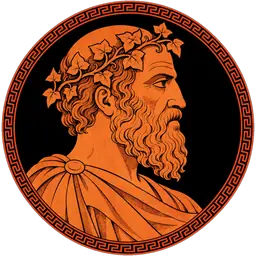
Aeschylus
Aeschylus son of Euphorion was an Athenian tragic poet.1 Pausanias says that although he had fought at sea at Artemisium and Salamis, when he faced death he recorded only his name, his father's, his city, and his courage at Marathon.2 In the archonship of Menon, 472 BC by modern reckoning, he won the tragic contest with a group of plays that included the Persians, on Xerxes' defeat at Salamis.3 In the archonship of Philocles, 458 BC by modern reckoning, he won first prize with the Agamemnon, Libation Bearers and Eumenides.4 Plutarch says he died in Sicily and is buried near Gela.5
Events
Ties
What the sources say
“Still farther of is a temple to Glory, this too being a thank-offering for the victory over the Persians, who had landed at Marathon. This is the victory of which I am of opinion the Athenians were proudest; while Aeschylus, who had won such renown for his poetry and for his share in the naval battles before Artemisium and at Salamis, recorded at the prospect of death nothing else, and merely wrote his name, his father's name, and the name of his city, and added that he had witnesses to his valor in the grove at Marathon and in the Persians who landed there.”
—ἔτι δὲ ἀπωτέρω ναὸς Εὐκλείας, ἀνάθημα καὶ τοῦτο ἀπὸ Μήδων, οἳ τῆς χώρας Μαραθῶνι ἔσχον. φρονῆσαι δὲ Ἀθηναίους ἐπὶ τῇ νίκῃ ταύτῃ μάλιστα εἰκάζω· καὶ δὴ καὶ Αἰσχύλος, ὥς οἱ τοῦ βίου προσεδοκᾶτο ἡ τελευτή, τῶν μὲν ἄλλων ἐμνημόνευσεν οὐδενός, δόξης ἐς τοςοῦτο ἥκων ἐπὶ ποιήσει καὶ πρὸ Ἀρτεμισίου καὶ ἐν Σαλαμῖνι ναυμαχήσας· ὁ δὲ τό τε ὄνομα πατρόθεν καὶ τὴν πόλιν ἔγραψε καὶ ὡς τῆς ἀνδρίας μάρτυρας ἔχοι τὸ Μαραθῶνι ἄλσος καὶ Μήδων τοὺς ἐς αὐτὸ ἀποβάντας.
Pausanias 1.14.5 · tr. W.H.S. Jones
“On, you men of Hellas! Free your native land. Free your children, your wives, the temples of your fathers’ gods,and the tombs of your ancestors. Now you are fighting for all you have”
πολλὴν βοήν, ὦ παῖδες Ἑλλήνων ἴτε, / ἐλευθεροῦτε πατρίδʼ, ἐλευθεροῦτε δὲ / παῖδας, γυναῖκας, θεῶν τέ πατρῴων ἕδη, / θήκας τε προγόνων· νῦν ὑπὲρ πάντων ἀγών.
Aeschylus, Persians 402–405 · tr. Herbert Weir Smyth
“The play was produced in the archonship of Philocles, in the second year of the eightieth Olympiad. Aeschylus won first prize with Agamemnon, Libation Bearers, Eumenides and the satyr play Proteus.”
Ἐδιδάχθη τὸ δρᾶμα ἐπὶ ἄρχοντος Φιλοκλέους Ὀλυμπιάδι κη ʽὀγδοηκοστῇ ʼ ʼ ἔτει β. πρῶτος Αἰσχύλος Ἀγαμέμνονι, Χοηφόροις, Εὐμενίσι,Πρωτεῖ σατυρικῷ
Aeschylus, Agamemnon, ancient summary 2 · AI translation (Claude)
“But Sophocles came off victorious and it is said that Aeschylus, in great distress and indignation thereat, lingered only a little while at Athens, and then went off in anger to Sicily. There he died also, and is buried near Gela”
νικήσαντος δὲ τοῦ Σοφοκλέους λέγεται τὸν Αἰσχύλον περιπαθῆ γενόμενον καὶ βαρέως ἐνεγκόντα χρόνον οὐ πολὺν Ἀθήνησι διαγαγεῖν, εἶτʼ οἴχεσθαι διʼ ὀργὴν εἰς Σικελίαν, ὅπου καὶ τελευτήσας περὶ Γέλαν τέθαπται
Plutarch, Cimon 8.8 · tr. Bernadotte Perrin
First named
The earliest text in the library that names Aeschylus, written about 430 BC (a modern estimate of when it was written):
“It was from this legend and no other that Aeschylus son of Euphorion took a notion which is in no poet before him: that Artemis was the daughter of Demeter. For this reason the island was made to float. So they say.”
ἐκ τούτου δὲ τοῦ λόγου καὶ οὐδενὸς ἄλλου Αἰσχύλος ὁ Εὐφορίωνος ἥρπασε τὸ ἐγὼ φράσω, μοῦνος δὴ ποιητέων τῶν προγενομένων· ἐποίησε γὰρ Ἄρτεμιν εἶναι θυγατέρα Δήμητρος. τὴν δὲ νῆσον διὰ τοῦτο γενέσθαι πλωτήν. ταῦτα μὲν οὕτω λέγουσι.
Herodotus 2.156.6 · tr. A. D. Godley
Found by searching every text in the library for these spellings and reading the earliest hits to rule out namesakes: Αἰσχύλος, Aeschylus. Texts lost, or not in the library, may name Aeschylus earlier.
The passages behind each sentence
- Suda 2.Aι.356.1 (AI translation (Claude)) ↩
- Pausanias 1.14.5 (tr. W.H.S. Jones) ↩
- Aeschylus, Persians, ancient summary 2 (AI translation (Claude)); Aeschylus, Persians, ancient summary 1 (AI translation (Claude)); Aeschylus, Persians 284 (tr. Herbert Weir Smyth) ↩
- Aeschylus, Agamemnon, ancient summary 2 (AI translation (Claude)) ↩
- Plutarch, Cimon 8.8 (tr. Bernadotte Perrin) ↩
Cite this page
MLA “Aeschylus.” Atlas of Ancient History, Skirnir Studios, 2026, history.skirnirstudios.com/people/aeschylus/.
APA Skirnir Studios. (2026). Aeschylus. Atlas of Ancient History. https://history.skirnirstudios.com/people/aeschylus/
Chicago “Aeschylus.” Atlas of Ancient History. Skirnir Studios, 2026. https://history.skirnirstudios.com/people/aeschylus/.
The atlas was written by AI from the ancient sources. Where you can, cite the ancient passage itself by its reference (Herodotus 7.228, Livy 22.7.3) and name the translation you read.